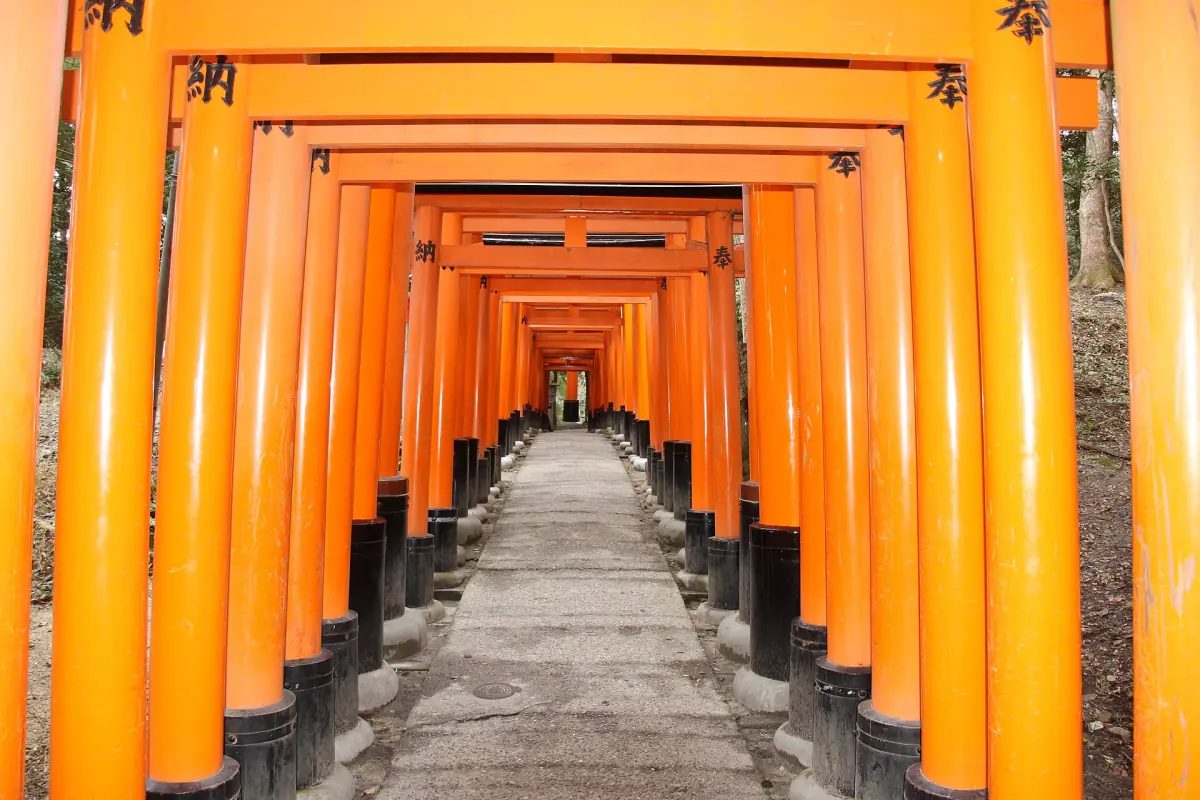
When to go to Fushimi Inari
The shrine grounds are open 24 hours all year, with no regular closing day, so you can pick almost any hour. The real question is how many people you want to share the path with. A local tip is to go early in the morning, which gives you the torii with fewer crowds. Another guide suggests late morning or afternoon with a lunch break in between. Neither is a guarantee, and busy seasons stay busy at any hour.
Seasons matter more than months. Cherry blossom and autumn leaves bring the largest crowds to Kyoto, and the weather in July and August makes the mountain loop hard work. Spring and autumn have lower daytime highs than high summer.
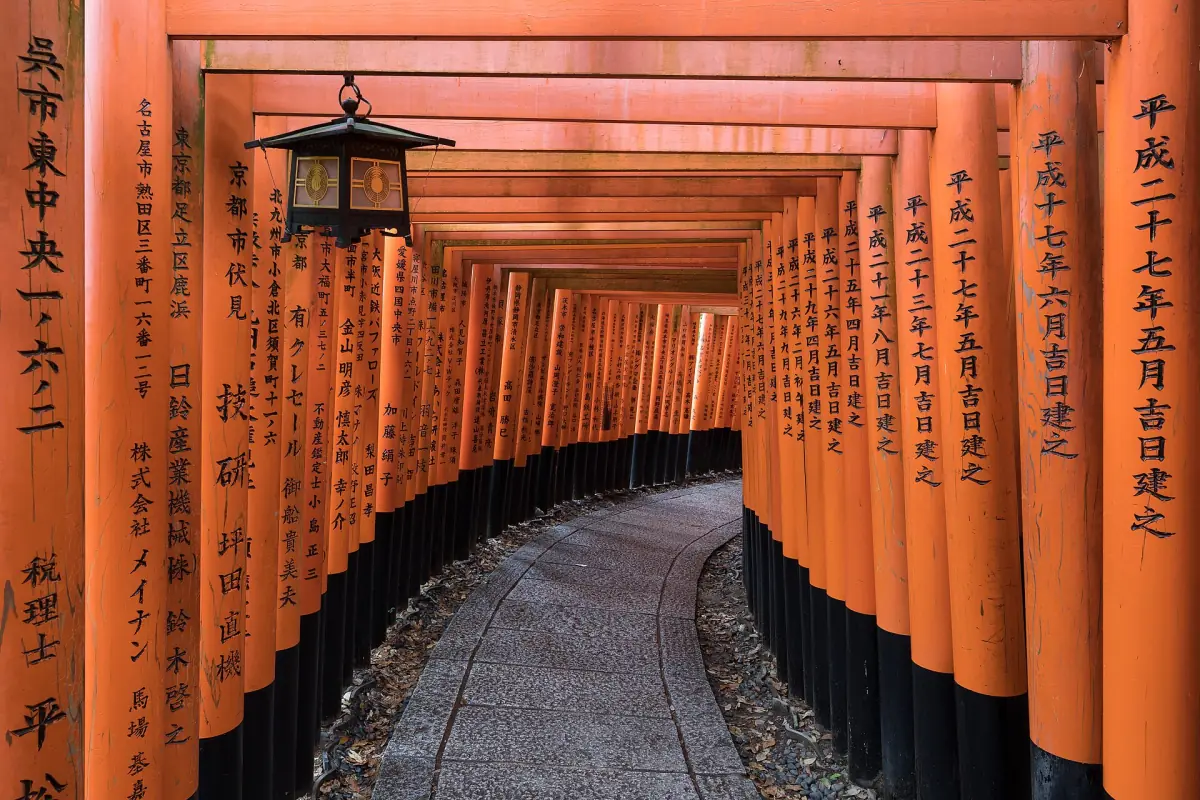
Kyoto weather by month
Monthly averages for Kyoto, 1991 to 2020. They show a pattern, not a forecast for your dates.
| Month | Average high (°C) | Average low (°C) | Rain (mm) |
|---|---|---|---|
| January | 9.1 | 1.5 | 53.3 |
| February | 10.0 | 1.6 | 65.1 |
| March | 14.1 | 4.3 | 106.2 |
| April | 20.1 | 9.2 | 117.0 |
| May | 25.1 | 14.5 | 151.4 |
| June | 28.1 | 19.2 | 199.7 |
| July | 32.0 | 23.6 | 223.6 |
| August | 33.7 | 24.7 | 153.8 |
| September | 29.2 | 20.7 | 178.5 |
| October | 23.4 | 14.4 | 143.2 |
| November | 17.3 | 8.4 | 73.9 |
| December | 11.6 | 3.5 | 57.3 |
August has the highest average daytime temperature and July the most rain. Conditions on the mountain can differ from the city figures, so treat them as a guide.
Fushimi Inari tours at different times of day
Guided walks and Kyoto day tours, with live prices and availability.
Season by season
What to expect in each part of the year.
Spring
Late March to early April is the usual time for cherry blossom, and Kyoto is among its busiest. Days are mild, with highs of 14.1 °C in March and 20.1 °C in April. The exact peak changes each year, so do not book a trip around a single day.
Summer
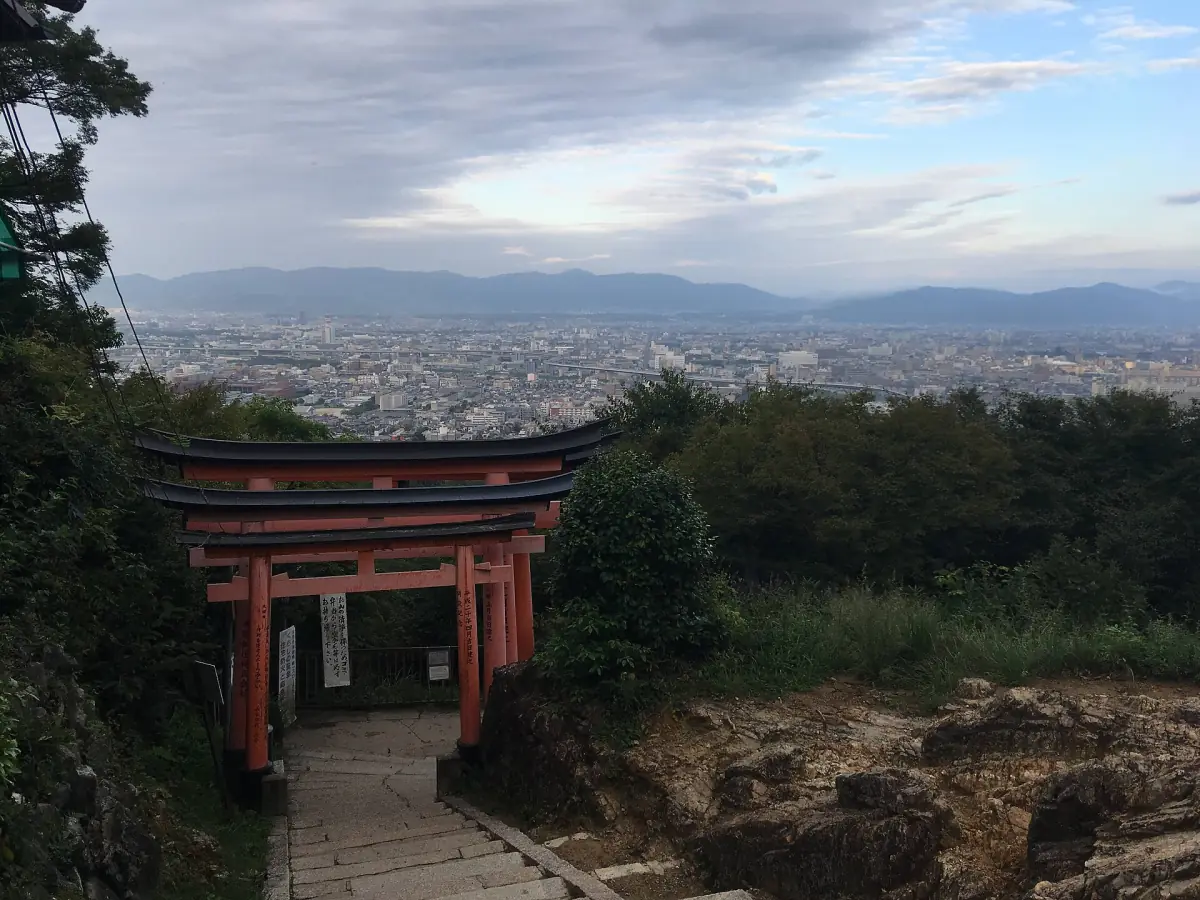
Summers are hot and humid, with sudden strong afternoon showers and thunderstorms. Heatstroke is a real risk even on a shrine visit. Carry water, start early and allow extra time for the mountain loop, which takes about 2 to 3 hours. Mid-July brings the Gion Matsuri and another busy period in the city.
The hike →Autumn
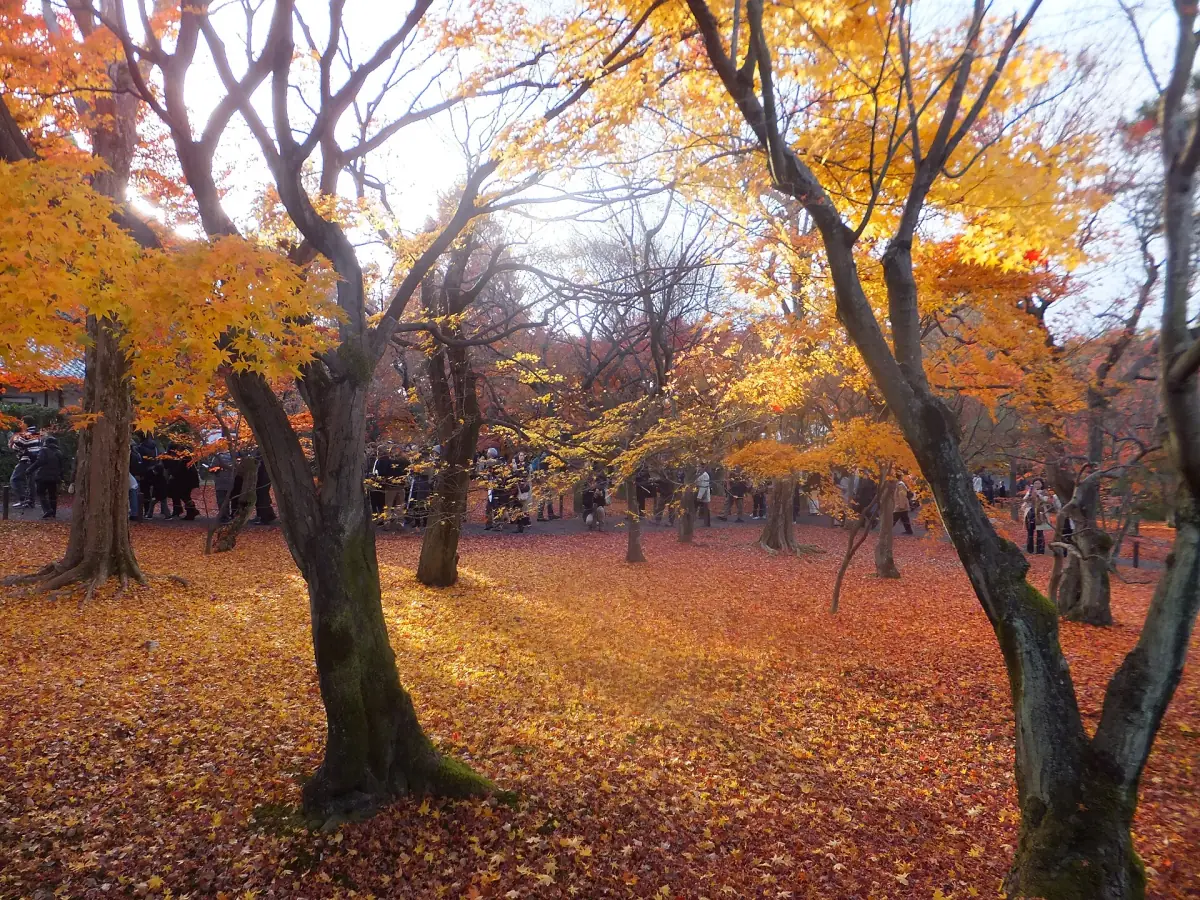
Mid-November to early December is the typical leaf window. October and November are cooler than summer, with highs of 23.4 °C and 17.3 °C. Nearby Tofukuji has its own autumn season, which starts on 14 November in the current schedule.
Tofukuji guide →Winter
January and February are the coldest months, with highs around 9 to 10 °C and lows near 1.5 °C, and they are among the driest months. Take a warm layer for the hike and a light for the way down.
For the hike, plan water, sturdy shoes, protection from sun or rain, and your own light if you stay after dark. Hot, humid weather and sudden showers make the 4 km loop feel longer than the distance suggests.
Time of day and the New Year rush
How to avoid the largest crowds.
Early morning
The local tip is to visit early. The grounds are open all night, so you can arrive before sunrise. Prayer services, however, run from 08:30 to 16:30 and the amulet counters are open during the day.
Opening hours →Evening and night
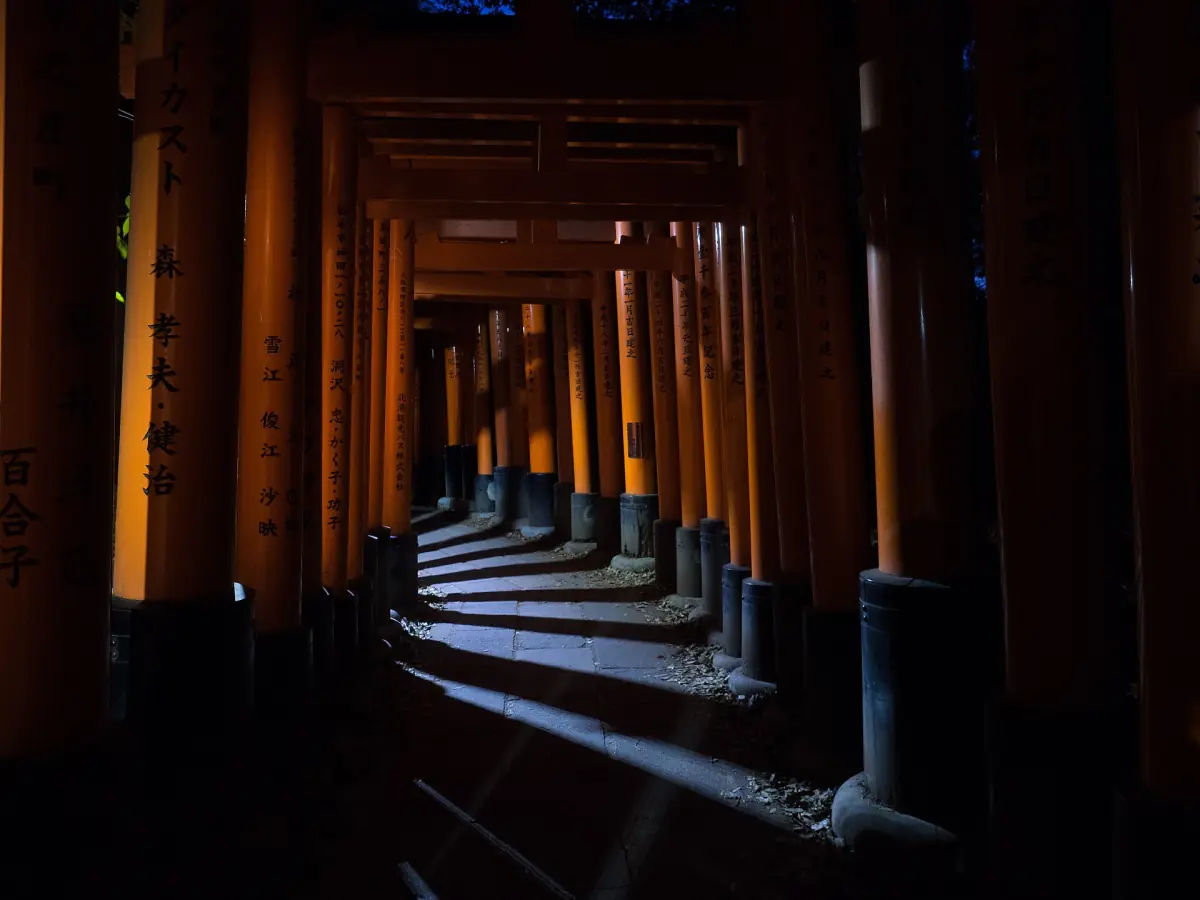
The path stays open after dark and feels different. Bring your own light and check the last train home, because night access does not mean later trains.
Visiting at night →New Year (Hatsumode)
The first days of January are the busiest time of the year. In a typical year the shrine receives roughly 2.5 to 3 million visitors over those days, and special hours apply, so do not expect the normal timetable. The New Year prayers (Saitan-sai) start at 06:00 on 1 January. If you want the torii without a crowd, choose another week.
Festivals
The Inari Matsuri brings a portable-shrine procession on the Sunday nearest 20 April at 11:00, and the Kanko-sai on 3 May at 16:00. The Motomiya-sai in July starts at 09:00 on the first Sunday or holiday after the start of Doyo, with lanterns lit on the evening before, when the Yoimiya starts at 18:00. Dates follow a yearly calendar and shift from year to year.
Kyoto publishes crowd forecasts and live cameras. Use them to decide between two days, but do not rely on them for a guarantee.
Plan the rest of your trip
Pages that go with the timing.
Best time to visit Fushimi Inari: frequently asked questions
What is the best time of day for Fushimi Inari?
Early morning is the common advice, because it avoids the biggest crowds. The grounds are open 24 hours, so you can also go late. Another guide suggests late morning or afternoon. Neither time is guaranteed to be empty.
What is the best month to visit?
There is no single winner. Spring and autumn have lower daytime highs than summer, but they are also the busiest seasons in Kyoto. January and February are cold and have the least rain.
Is Fushimi Inari crowded all year?
It is popular all year. The busiest periods in Kyoto are cherry blossom, autumn leaves and mid-July. The first days of January bring the largest crowd of all.
Is the mountain hike hard in summer?
It is harder. Daytime highs reach 32.0 °C in July and 33.7 °C in August, with high humidity, and sudden showers are common. Start early, carry water and take breaks.
Does Fushimi Inari close at night?
No. The grounds are open 24 hours. The prayer and amulet counters keep daytime hours.