Kyoto beyond Fushimi Inari
The list is a selection, not a ranking. It mixes famous temples with a market, a district and a few quieter gardens. Entries 1 to 4 are the best-known stops, entries 5 to 8 mix a market, a temple near the shrine and two sights of palace and garden design, and entries 9 to 12 cover a Zen complex, a shrine and two halls.
For the wooden stage, the night illuminations and the lanes below the temple, see our separate Kiyomizu-dera guide.
Kyoto is large. Fushimi Inari lies in the south, and most other sights are in different districts, so do not plan to walk from one to the next. Choose two or three per day and use the train or bus between them. Fees are in yen for adults in 2026 and can change.
The famous stops (1 to 4)
Places most visitors put on a first list.
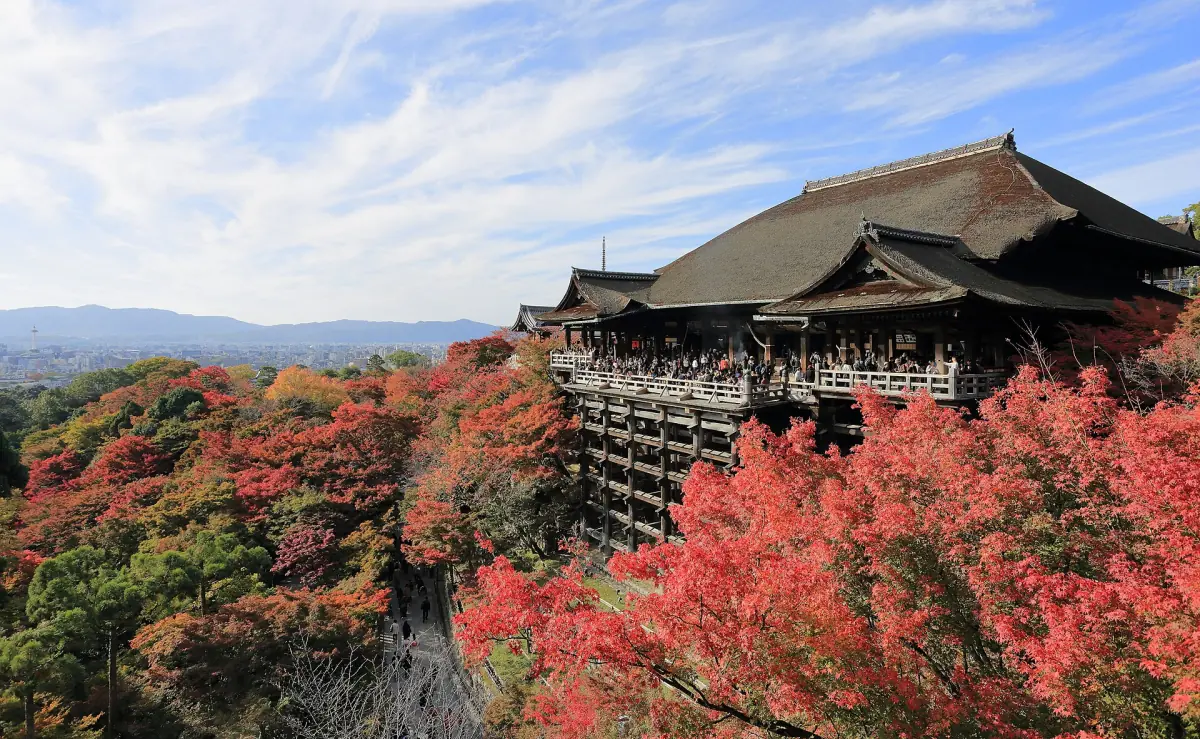
1. Kiyomizu-dera
A temple known for its wooden stage over the hillside. The regular fee is JPY 500 for adults and JPY 200 for elementary and middle school pupils. In 2026 the temple opens at 06:00 and usually closes at 18:00, and in July and August it stays open until 18:30 apart from special evenings. Special evening openings run until 21:30 with last entry at 21:00, in spring, in mid-August and in late November.
2. The bamboo grove in Arashiyama
The best-known bamboo path lies north of the Togetsukyo bridge in western Kyoto. It draws strong crowds, so plan to arrive outside the busiest hours. Kyoto's visitor guidelines ask people to protect the bamboo.
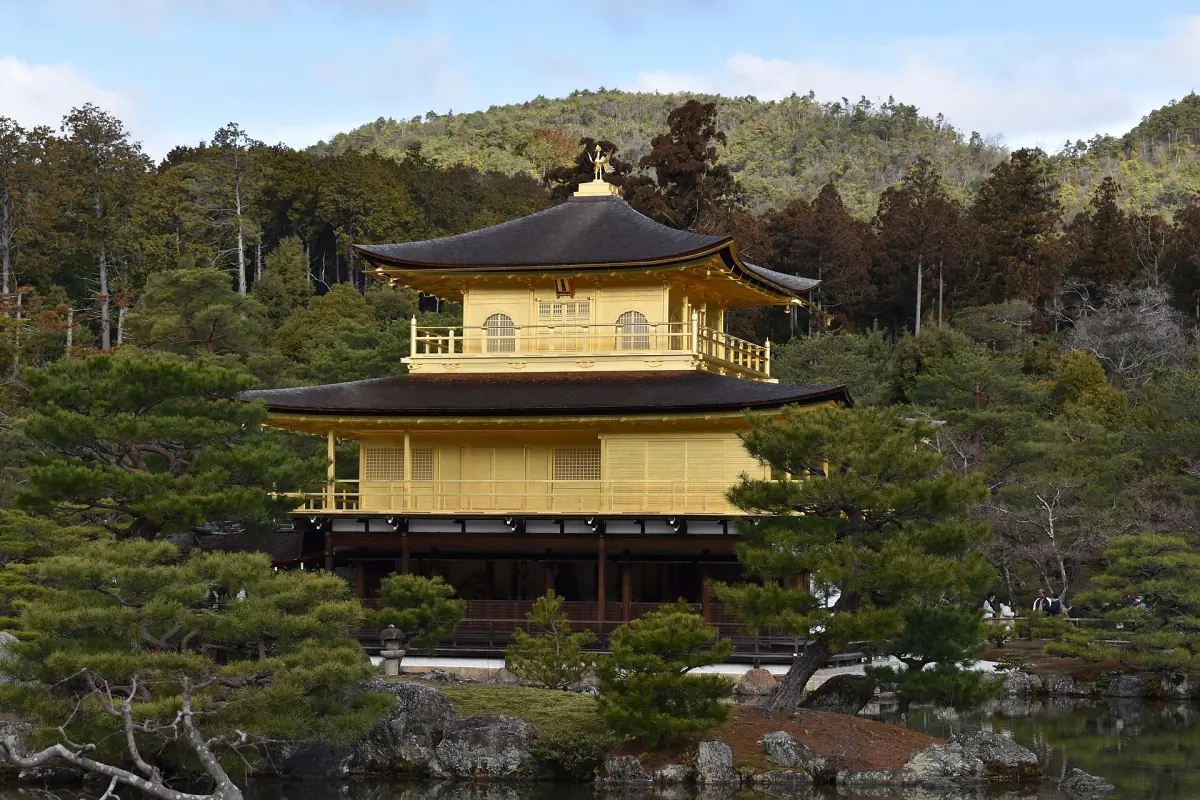
3. Kinkaku-ji
The Golden Pavilion is open from 09:00 to 17:00 all year. The fee is JPY 500 for adults from high school age and JPY 300 for elementary and middle school pupils, with no group discounts. If you come by car, parking costs JPY 400 for the first 60 minutes and JPY 200 for each further 30 minutes.
4. Gion
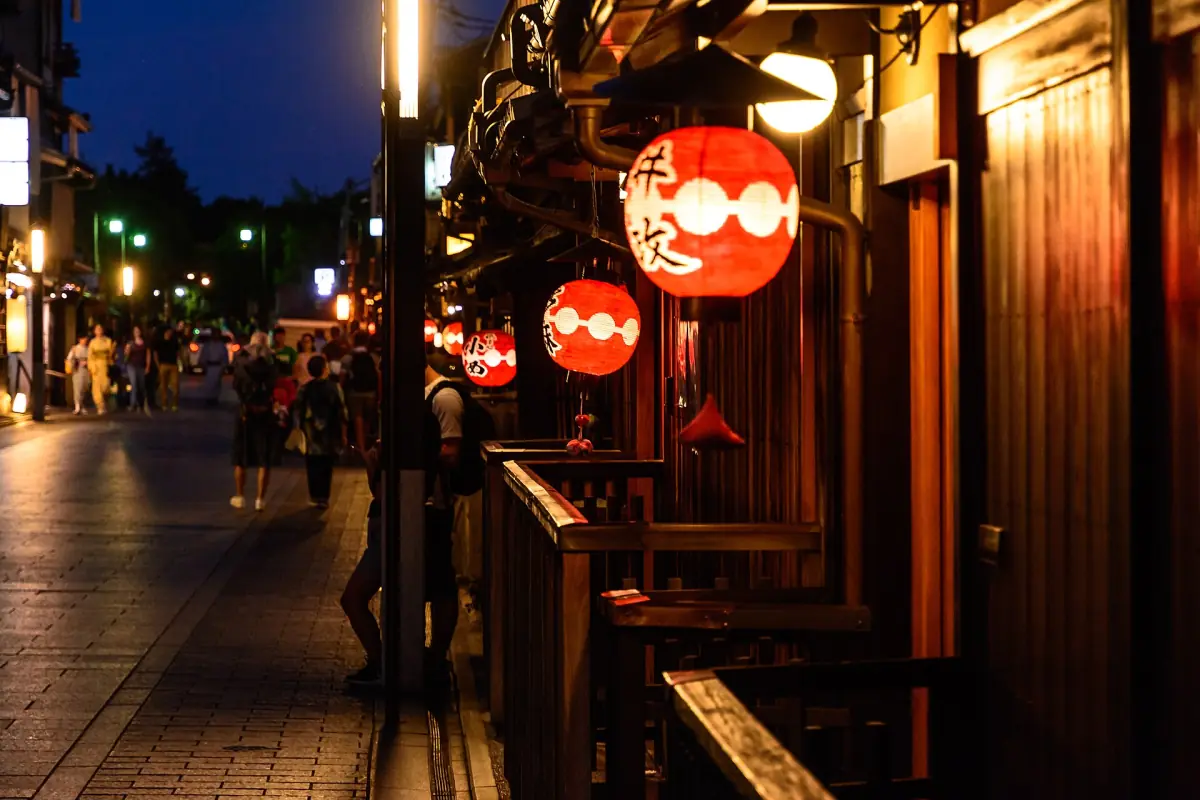
Gion is the district of the geiko and maiko tradition, and it is also a residential area. Many lanes are private, and some have photo restrictions. Keep walkways clear, do not follow, touch or photograph a geiko or maiko without permission, and respect the local rules. Gion is not closed to visitors, and Gion-Shijo is the Keihan station for it.
Where to stay →Our picks: Kyoto tours
A morning tour, a full day of temples and an e-bike ride past Tofuku-ji.
Hand-picked tours, booked through GetYourGuide. Prices are indicative starting prices in US dollars (as of October 2026). Tap a tour for live availability and the current price in your currency.
Full-day bus tour of Kyoto's temples
A guide, an air-conditioned vehicle, audio headsets and entry to Kiyomizu-dera, Tenryu-ji, Kinkaku-ji and Sanjusangen-do are included. The lunch buffet comes with one option only; tips and hotel transfer are extra.
Check availability →
Early morning tour to Fushimi Inari, Arashiyama and Kinkaku-ji
Six hours of sightseeing with an English-speaking guide. Lunch and the Kinkaku-ji entry are not included.
Check availability →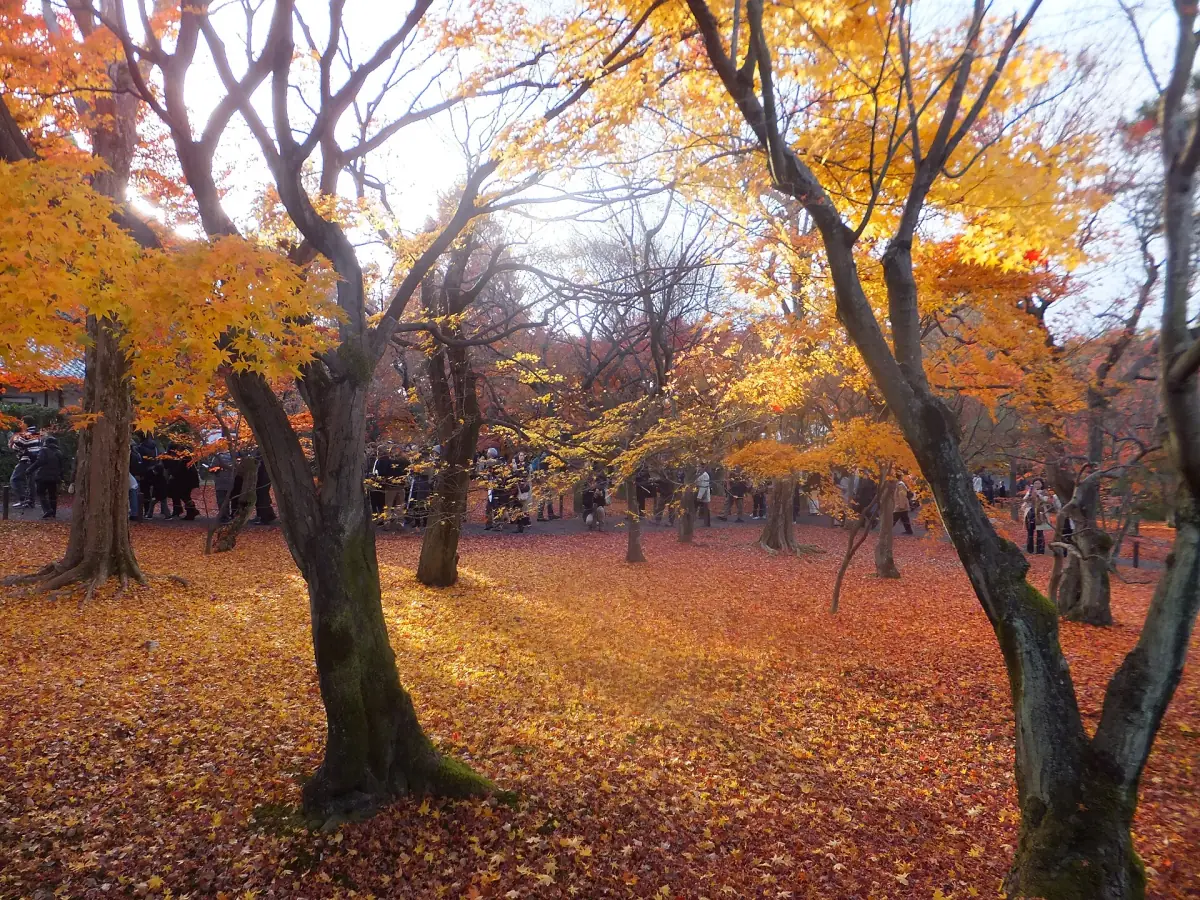
E-bike tour to Fushimi Inari and Tofuku-ji
Four hours with a local guide. The e-bike, helmet, insurance, snack, water and entry to two sites are included; lunch, tips and hotel transfer are extra.
Check availability →Kyoto tours and day trips
Temples, shrines, old districts and the Fushimi Inari torii, with live prices and availability.
Food, temples and gardens (5 to 8)
A market, one temple near the shrine and two sights with a strong design.
5. Nishiki Market
A historic shopping street lined with food sellers. The market association asks visitors to eat at the shop where they bought the food and to dispose of waste properly. Opening hours differ from stall to stall, so there is no single closing time.
6. Tofukuji
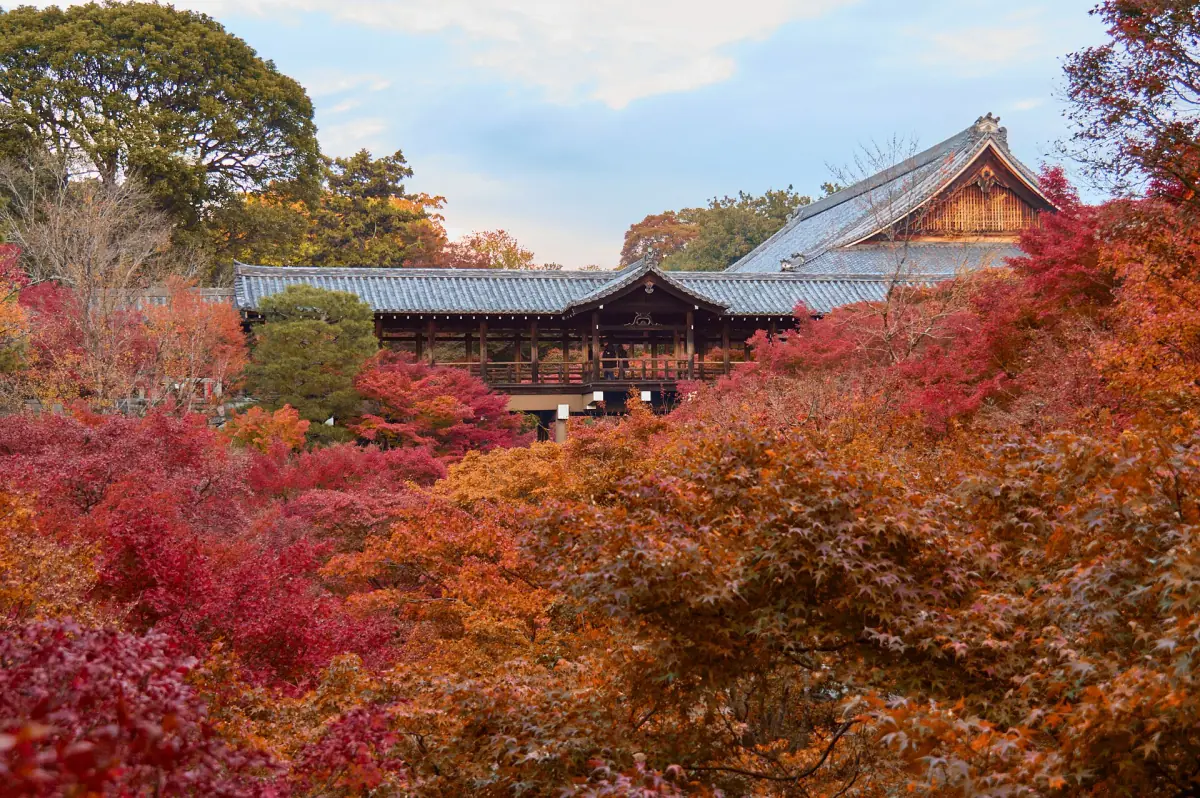
A Zen temple with the Tsutenkyo bridge and the Hojo garden, and the closest temple stop to Fushimi Inari. The Tsutenkyo ticket costs JPY 600 for adults in the regular season, and the Hojo garden JPY 500 until 31 October 2026, then JPY 600.
Tofukuji guide →7. Nijo Castle
The former Kyoto residence of the Tokugawa shoguns. The palace interiors have painted sliding doors, and the grounds hold large gardens. Check the ticket options at the entrance, as the castle, the Ninomaru and the Honmaru are different parts of the visit.
8. Ginkaku-ji
The Silver Pavilion, formally Jisho-ji, has a garden with sand designs. The pavilion was never covered in silver, despite the name.
Shrines, halls and a market day (9 to 12)
Places for a slower look at religious Kyoto.
9. Nanzen-ji
A Zen temple complex on the eastern edge of the city, with gardens and a stretch of the Lake Biwa aqueduct. Individual areas can have their own admission, so check the price at the entrance.
10. Heian-jingu
A shrine founded in 1895 for the city's anniversary and dedicated to Emperor Kammu and Emperor Komei. Its garden is a separate visit from the shrine buildings.
11. Sanjusangen-do
A long hall with a central seated Kannon and 1,000 standing Kannon statues. Check the current fee before you go.
12. To-ji
A temple with a five-story pagoda, 55 m high. The Kobo-san market is held on the 21st of each month. The market and entry to the temple halls are separate, so decide which one you want.
If your trip continues to Tokyo, the old temple district of Asakusa and the busiest crossing in the city, Shibuya Crossing, have their own guides.
Visiting Kyoto with care
The city published visitor guidelines in October 2026.
The guidelines
The guidelines of 2 October 2026 cover privacy in Gion, keeping walkways clear, avoiding large luggage on crowded transport, disposing of waste properly and protecting the bamboo, including at Fushimi Inari.
Etiquette at Fushimi Inari →Crowd forecasts
Kyoto publishes crowd forecasts and live cameras. Use them as a planning aid, not as a guarantee of how busy a place will be.
Best time to visit →Starting from Fushimi Inari
A day in southern Kyoto can start at the shrine, which is open 24 hours and free, and continue by Keihan train. From Osaka it is an easy day trip.
Day trip from Osaka →Plan the rest of your trip
Pages that go with a Kyoto itinerary.
Things to do in Kyoto: frequently asked questions
What should I see in Kyoto besides Fushimi Inari?
The 12 ideas above are a good start: Kiyomizu-dera, the Arashiyama bamboo grove, Kinkaku-ji, Gion, Nishiki Market, Tofukuji, Nijo Castle, Ginkaku-ji, Nanzen-ji, Heian-jingu, Sanjusangen-do and To-ji. Pick two or three per day.
How much do Kyoto temples cost?
Kiyomizu-dera and Kinkaku-ji both charge JPY 500 for adults in 2026. Tofukuji charges JPY 600 for the Tsutenkyo and JPY 500 to 600 for the Hojo garden, depending on the date. Fees for the other sights should be checked at the entrance.
Is Gion closed to tourists?
No. Gion is open, but it is also a home district. Some lanes are private, and photo restrictions apply. Do not follow or touch a geiko or maiko, and do not photograph one without permission.
Can I walk between Kyoto sights?
Mostly not. The sights lie in different districts, and Fushimi Inari is in the south. Use the Keihan line, JR or the bus, and group nearby stops on the same day.
What is the Kobo-san market at To-ji?
It is a market held on the 21st of each month. The market and entry to the temple halls are separate offers.